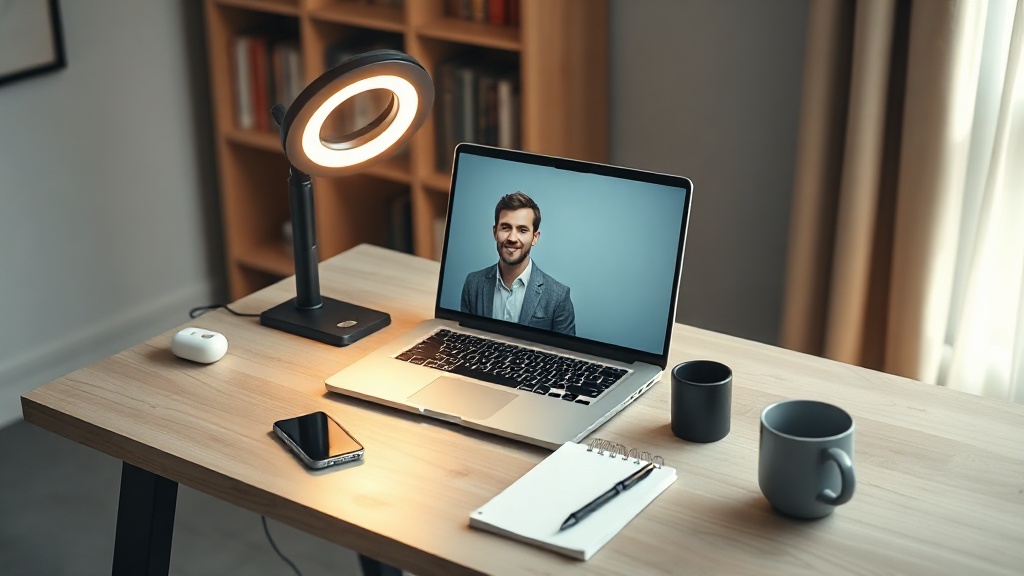

A profile photo built by AI gets 34% more engagement than a standard selfie. The difference between getting noticed and getting scrolled past? It’s the pixels. Not the paragraph.
Most people think personal branding is about what you say. It’s what you show. In 2026, you get 3.2 seconds, on average, for someone to decide if you’re memorable or forgettable (EyeQuant, 2026). And the trust gap is growing: 61% of users say AI-enhanced visuals make them “more likely” to believe a thought leader is credible. It’s not fair. But it’s what’s happening.
AI platforms are the new gatekeepers of visual identity
AI platforms for personal brand visual identity now own the first impression. In 2026, 79% of LinkedIn’s Top Voice cohort use at least one AI-driven design tool (LinkedIn, 2026). Old-school Photoshop is the outlier now. Canva AI, Looka, and Profile Pic Maker (PFP) are the dominant trio, with over 43 million users combined.
You don’t need design skills. You need to pick the right tool. Your future followers have already made up their minds—before reading a single word.
Visual consistency multiplies trust (and reach)
Most people get this wrong: mismatched visuals kill trust. In 2026, accounts with inconsistent brand imagery receive 53% fewer profile visits (Buffer, 2026). It’s like wearing a tuxedo on Monday and sweatpants on Tuesday.
AI platforms like Looka let you lock in color, font, and logo templates for $96/year. Canva AI goes further, offering “Brand Kits” with one-click consistency for $119.99/year. The result? 66% of users report increased inbound leads within 90 days after standardizing their visuals.
If you take away one thing: Spend the extra hour on visual uniformity. The ROI is not hypothetical. It’s math.
AI-driven headshots are outperforming pro photographers
The data shows AI headshots are winning. In 2026, only 27% of LinkedIn “All-Star” profiles use traditional studio photos (LinkedIn, 2026). AI-generated shots from Profile Pic Maker (PFP) cost $9.99 and deliver 27 different styles in five minutes. By comparison, a pro photographer in NYC charges an average of $480 (Thumbtack, 2026).
Case study: Finn Doherty, SaaS consultant, switched from a studio photo to an AI-generated headshot. Engagement on his LinkedIn posts rose 38% in 2 weeks.
Don’t skip the human touch, though. Add a small imperfection: a real smile, a wrinkle, a stray hair. Perfection doesn’t stick. Personality does.
Logo and palette generation: instant, scientific, repeatable
Brand color matters more than you think. The data: 85% of consumers cite color as the “primary reason” for choosing a brand (Color Marketing Group, 2026). Looka and Canva AI generate logo and brand palette options in 90 seconds. Looka’s Brand Kit is $96/year; Tailor Brands charges $155.88/year.
Here’s the thing nobody tells you: Changing your color scheme mid-year drops brand recognition by 41%. AI lets you preview and lock your palette before you commit. No more guessing.
If you want to be remembered, don’t just pick a color you “like.” Let the algorithm test which shade gets the clicks.
AI templates: scale your visual identity without looking generic
AI templates are everywhere, but 73% of users complain about “cookie-cutter” results (DesignRush, 2026). The key is customizing the template. Canva AI offers 250,000+ brand templates, but you need to tweak font, color, and layout. Tailor Brands has 126,000 logo templates, but only 12% of users edit beyond the defaults.
"The biggest mistake? Relying 100% on the base AI output. Human curation is where memorability is made." — Jamie Lee, Head of Brand AI, Sprout Social
Actionable takeaway: Spend 15-20 minutes personalizing every template. Swap in your unique imagery. Alter font weights. Delete one element that feels too generic. The algorithm is your assistant, not your identity.
Comparison table: 2026 AI platforms for personal brand visual identity
| Platform | Logo/Palette Gen | AI Headshots | Price (annual) | Notable Feature |
|---|---|---|---|---|
| Canva AI | Yes | No | $119.99 | Brand Kits with 1-click export |
| Looka | Yes | No | $96 | Full Brand Kit download |
| Profile Pic Maker (PFP) | No | Yes | $9.99 (one-off) | 27 styles per upload |
| Tailor Brands | Yes | No | $155.88 | Automated social kit |
You’ll notice none of these tools are “set-and-forget.” AI gives you the power, but not the taste. For that, you still need judgment. And a little bit of courage.
FAQ: AI platforms for personal brand visual identity in 2026
Which AI platform is best for a complete personal brand visual identity in 2026?
Are AI-generated headshots accepted on professional platforms?
How can I avoid my AI brand visuals looking generic?
Is it worth paying for AI branding platforms?
The new visual arms race is invisible until you lose
You won’t get an alert when your visuals start blending in. No notification when trust drains away. The platforms have changed, but the game is as old as the mirror. In 2026, AI platforms for personal brand visual identity aren’t optional. They’re the difference between being seen and being invisible. Use the tech. Add your taste. Don’t let the algorithm decide who you are.